
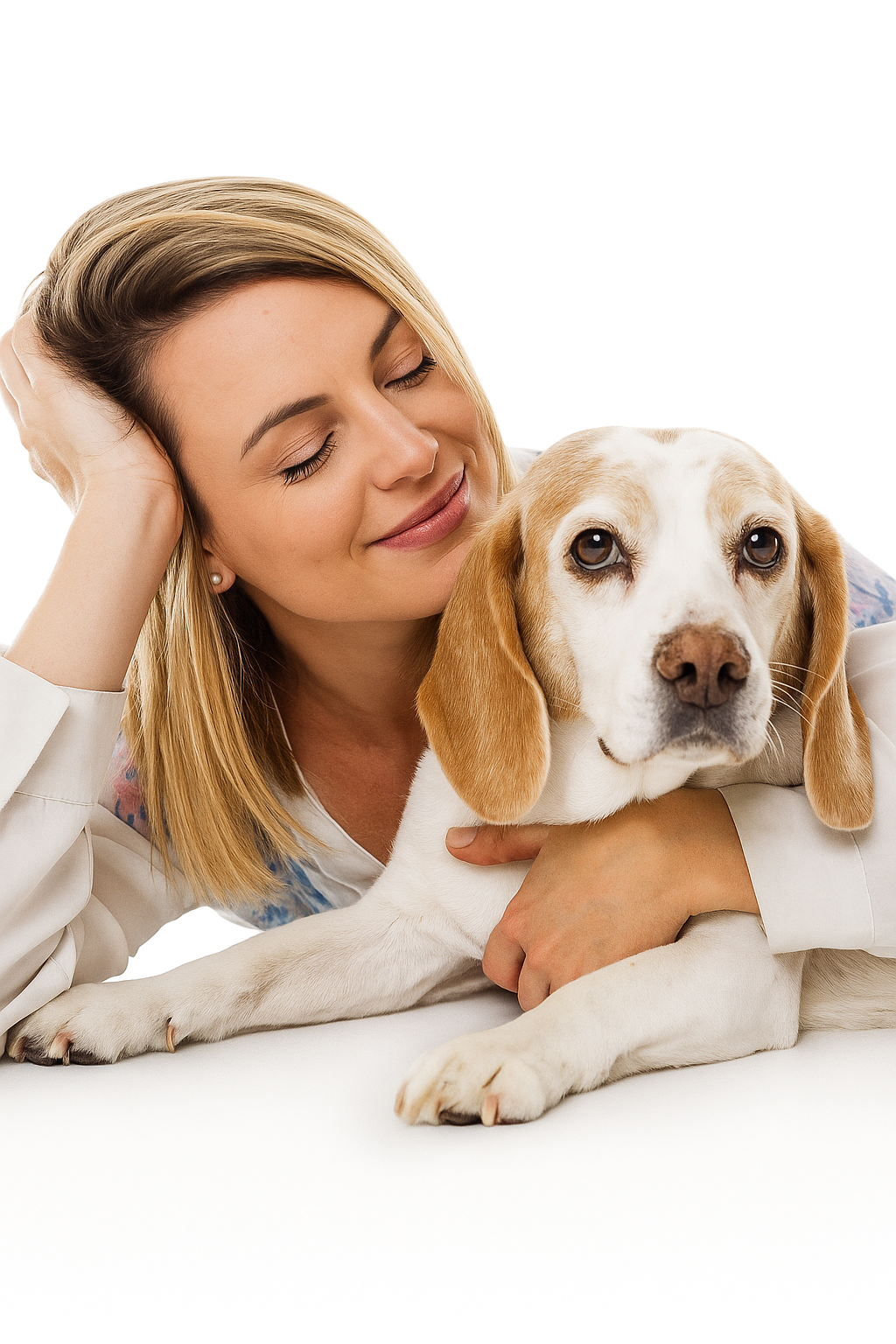
Getting a dog for the first time is exciting.
It’s also a bigger decision than many people expect.
The right dog can become a loyal companion, a source of comfort, and a joyful part of everyday life. The wrong match, however, can lead to stress, frustration, and challenges for both the owner and the dog.
The truth is simple: choosing the “best” dog breed matters far less than choosing the right dog for your lifestyle.
Here’s what first-time dog owners should consider before bringing a dog home.
Start With Your Lifestyle — Not the Dog’s Appearance
Many people fall in love with a breed because of how it looks.
But appearance tells you very little about the dog’s daily needs, energy level, temperament, or training requirements.
Before choosing a dog, ask yourself:
- How active am I?
- How much time can I realistically dedicate every day?
- Do I live in an apartment or a house?
- Do I have children or other pets?
- Am I home often, or away for long hours?
- Do I want an adventurous dog or a calmer companion?
A high-energy working breed may look beautiful, but without enough stimulation it can quickly become destructive, anxious, or difficult to manage.
A calmer breed may fit much better into a quieter household.
The goal is compatibility — not perfection.
Energy Level Is One of the Most Important Factors
One of the biggest mistakes first-time owners make is underestimating how much exercise and mental stimulation some dogs need.
For example:
Lower-Energy Dogs
Often better for beginners with a calmer lifestyle:
- Cavalier King Charles Spaniel
- Bichon Frise
- Greyhound
- Shih Tzu
Moderate-Energy Dogs
Good balance for many households:
- Labrador Retriever
- Golden Retriever
- Cocker Spaniel
- Poodle
High-Energy Dogs
Often require experienced handling and significant daily activity:
- Border Collie
- Belgian Malinois
- Australian Shepherd
- Siberian Husky
A dog’s energy level affects nearly every part of daily life — walks, training, behavior, and even your schedule.
Choose honestly, not aspirationally.
Size Matters More Than People Think
Big dogs are not automatically harder than small dogs.
Small dogs are not automatically easier.
Each size comes with trade-offs.
Small Dogs
Pros:
- Easier to travel with
- Need less space
- Lower food costs
Cons:
- Can be fragile
- Sometimes harder to house-train
- Often more vocal
Large Dogs
Pros:
- Often calmer indoors
- Great companions for outdoor lifestyles
- Typically easier to train physically
Cons:
- Higher costs
- Require more space
- Stronger and harder to control without training
Think about your home, budget, transportation, and physical ability.
Consider Temperament, Not Just Breed
Breed tendencies matter — but individual personality matters too.
Some dogs are naturally more:
- social
- independent
- sensitive
- stubborn
- protective
- eager to please
For first-time owners, dogs that are generally trainable and people-oriented are often easier to manage.
That’s one reason breeds like Labradors and Golden Retrievers remain popular with beginners.
But even within the same breed, personalities vary widely.
If possible:
- spend time with the dog first
- ask questions about behavior
- observe how the dog reacts to people and new environments
Puppies Aren’t Always the Best Choice
Many first-time owners assume they should get a puppy.
But puppies are demanding.
They require:
- constant supervision
- house training
- socialization
- sleep management
- biting and chewing guidance
- structured training
An adult dog can sometimes be a better fit.
Many adult dogs:
- already know basic routines
- have calmer temperaments
- show their personality more clearly
- transition smoothly into new homes
Adoption can be an excellent option for first-time owners willing to invest time and patience.
Be Honest About Time and Budget
Dogs are not a one-time purchase.
They require ongoing investment:
- food
- veterinary care
- insurance
- grooming
- toys and equipment
- training
- emergency expenses
Time matters just as much as money.
Dogs need:
- exercise
- structure
- attention
- consistency
- companionship
Even the “easy” dogs still need daily engagement.
Training Starts Earlier Than Most People Think
Good dogs are rarely “naturally perfect.”
Most well-behaved dogs are the result of consistent training and clear communication.
First-time owners should focus on:
- positive reinforcement
- routine
- patience
- socialization
- realistic expectations
You do not need to be an expert.
But you do need consistency.
Small daily habits shape long-term behavior.
The Best First Dog Is the One That Fits Your Real Life
There is no universally perfect breed.
The best first dog is the one whose needs match:
- your lifestyle
- your energy
- your schedule
- your experience
- your environment
A calmer dog in the right home will usually thrive more than a high-drive dog in the wrong one.
Choosing carefully at the beginning can prevent many common problems later.
And when the match is right, the relationship between a dog and its owner becomes something genuinely special.
Final Thoughts
Getting your first dog is not about finding the “coolest” breed or the most popular one online.
It’s about creating a sustainable, healthy relationship that works for both you and the dog.
Take your time.
Research honestly.
Meet different dogs if possible.
The right choice is usually the one that fits naturally into your everyday life — not the one that looks best in photos.
And once you find the right match, the rewards are difficult to overstate.
Share:
A Smarter, Kinder Way to Feel Strong Again
How to Use AI for Work, Writing, and Everyday Productivity